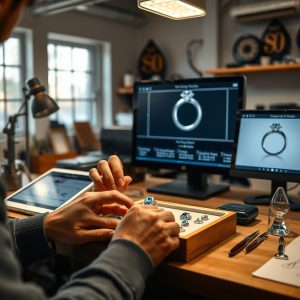
The Future of Elegance: How Sustainable Luxury is Redefining Fine Jewelry
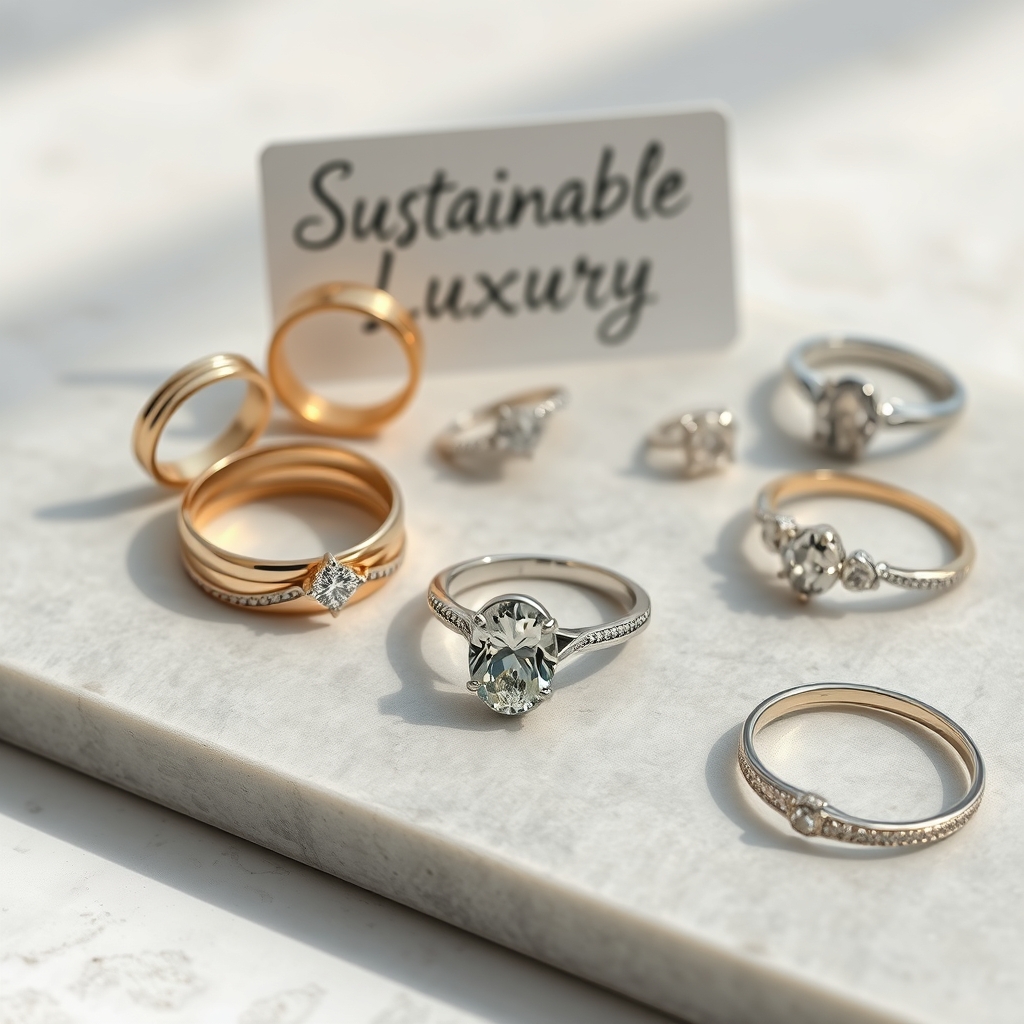
The world of fine jewelry is undergoing a quiet revolution, one where beauty and responsibility intertwine seamlessly. As consumers become more conscious of their environmental and ethical footprint, the demand for sustainable luxury has surged, reshaping the way we think about timeless pieces like engagement rings, bracelets, and heirloom-quality designs. This shift isn’t just about aesthetics—it’s about reimagining what it means to wear something truly precious.
The Rise of Lab Grown Diamonds
At the heart of this transformation are lab grown diamonds, which have emerged as a game-changer in the jewelry industry. These diamonds, cultivated in controlled environments using advanced technological processes, possess the same physical, chemical, and optical properties as their mined counterparts. Yet, they come without the ethical concerns tied to traditional diamond mining, such as environmental degradation and human rights issues. For couples seeking custom engagement rings, lab grown diamonds offer a guilt-free way to celebrate their love with a stone that sparkles just as brilliantly as any other.
What’s more, lab grown diamonds often come at a more accessible price point, allowing buyers to invest in larger or higher-quality stones without compromising on their values. The growing popularity of cuts like the oval cut diamonds and radiant cut diamonds in lab grown form has further cemented their place in modern jewelry collections. These cuts, known for their elongated brilliance and fiery sparkle, respectively, are now more attainable than ever, proving that sustainability doesn’t mean sacrificing luxury.
Ethical Sourcing and Recycled Materials
Beyond diamonds, the push for ethical sourcing has extended to metals and other gemstones. Recycled gold, for instance, has become a cornerstone of sustainable jewelry design. By repurposing existing gold, jewelers reduce the need for environmentally destructive mining practices while still delivering the same lustrous finish. This approach is particularly appealing for those drawn to mixed metal bands or delicate eternity bands, where the interplay of textures and hues can be both striking and meaningful.
Colored diamond rings, too, are benefiting from this ethical wave. Stones like salt and pepper diamonds—known for their unique inclusions and earthy charm—are often sourced from small-scale miners who adhere to fair labor practices. These diamonds, with their one-of-a-kind character, are perfect for those who want a ring that tells a story as unique as their love. Similarly, geometric cuts and asymmetrical settings are gaining traction among buyers who appreciate modern, unconventional designs that align with their values.
The Allure of Vintage and Illusion Settings
For those who adore the romance of bygone eras, vintage illusion settings offer a way to capture the elegance of the past while embracing contemporary ethics. These settings, which often feature intricate metalwork or hidden halos, create the illusion of a larger diamond without the need for a bigger stone. The result is a ring that feels both timeless and innovative, much like the floating solitaire—a design where the diamond appears to hover above the band, suspended in delicate grace.
Multi stone rings and marquise cut diamonds are also experiencing a renaissance, as jewelers experiment with bold, statement-making designs that don’t rely on traditional mining. The marquise cut, with its elongated shape and dramatic points, is particularly well-suited to those who want a ring that stands out. Meanwhile, multi stone rings, which combine diamonds and gemstones in unexpected ways, offer a playful yet sophisticated alternative to classic solitaires.
Innovative Designs for the Modern Buyer
The modern jewelry buyer is no longer confined to traditional norms. Instead, they seek pieces that reflect their individuality, values, and lifestyle. Bezel set diamonds, for example, have surged in popularity for their sleek, secure setting and contemporary appeal. Unlike prong settings, which can snag on clothing or require frequent maintenance, bezel settings encase the diamond in a thin metal rim, offering both durability and a modern aesthetic.
Tennis bracelets, too, have evolved to meet the demands of the ethical consumer. Crafted with lab grown diamonds or recycled metals, these bracelets retain their classic elegance while aligning with sustainable practices. Similarly, delicate eternity bands—often adorned with small, evenly spaced diamonds—are now available in ethically sourced materials, making them a perfect choice for anniversaries or milestone celebrations.
The Intersection of Style and Substance
What makes this era of jewelry so exciting is the way it blends style with substance. No longer do buyers have to choose between beauty and ethics—they can have both. Whether it’s a custom engagement ring featuring an oval cut lab grown diamond or a mixed metal band crafted from recycled gold, today’s designs prove that luxury can be both stunning and sustainable. The rise of geometric cuts, asymmetrical settings, and hidden halos reflects a broader cultural shift toward individuality and responsibility, where every piece tells a story of mindful elegance.
The jewelry we wear is more than just adornment; it’s a reflection of who we are and what we stand for. As the industry continues to evolve, one thing is clear: the future of fine jewelry lies in designs that honor both the planet and the people who cherish them. With every lab grown diamond, recycled metal, and ethically sourced gemstone, we’re not just accessorizing—we’re making a statement about the kind of world we want to live in, one sparkling, sustainable choice at a time.