The Quiet Revolution: How Geometric Cuts and Ethical Diamonds Are Shaping Contemporary Jewelry
The world of fine jewelry is undergoing a transformation, one that marries the precision of modern design with the conscience of ethical responsibility. At the heart of this shift are geometric cuts and lab-grown diamonds, two elements that are redefining what it means to wear beauty with intention. No longer confined to the classic round brilliant or the timeless princess cut, today’s engagement rings and statement pieces embrace asymmetry, sharp angles, and unexpected silhouettes—all while prioritizing sustainability and transparency.
The Rise of Geometric Cuts: A New Language of Elegance
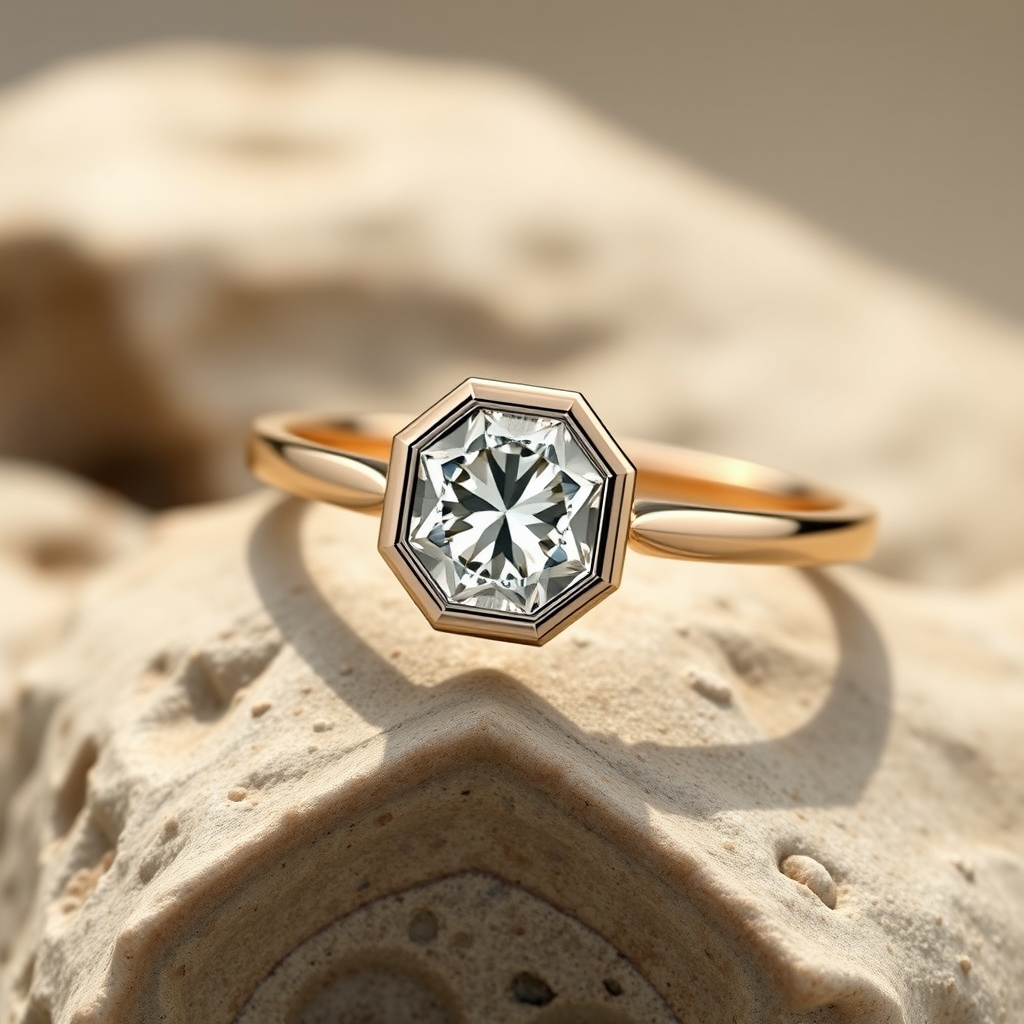
Geometric diamond cuts are not entirely new, but their resurgence in contemporary jewelry design speaks to a broader cultural appetite for individuality and modernity. Cuts like the marquise, hexagon, and kite are no longer relegated to the fringes of design; they are now celebrated for their ability to create bold, architectural statements. The marquise cut, with its elongated shape and pointed ends, elongates the finger and offers a regal, vintage-inspired allure. Meanwhile, the hexagon cut—a favorite among avant-garde jewelers—brings a futuristic edge, its six symmetrical facets catching light in unexpected ways.
These cuts are not just about aesthetics; they are about storytelling. A geometric diamond can evoke the clean lines of Art Deco, the organic minimalism of mid-century modernism, or the daring asymmetry of contemporary art. For couples seeking a ring that reflects their unique bond, these cuts offer a canvas for personal expression. Pair a hexagon-cut diamond with a delicate bezel setting, and you have a piece that feels both bold and understated—a perfect metaphor for a love that is confident yet unassuming.
Why Lab-Grown Diamonds Are the Ethical Choice
As geometric cuts push the boundaries of design, lab-grown diamonds are redefining the ethical landscape of the jewelry industry. These diamonds, cultivated in controlled environments using advanced technological processes, are chemically, physically, and optically identical to their mined counterparts. Yet, their environmental and social impact is dramatically different. Traditional diamond mining has long been associated with ecological disruption, human rights concerns, and opaque supply chains. Lab-grown diamonds, by contrast, offer a transparent, traceable alternative that aligns with the values of a new generation of consumers.
The appeal of lab-grown diamonds extends beyond ethics. They are often more affordable than mined diamonds, allowing couples to invest in larger or more intricate designs without compromising on quality. This accessibility has democratized luxury, making it possible for more people to choose rings that reflect their personal style and values. Whether set in a floating solitaire or a multi-stone band, lab-grown diamonds prove that sustainability and opulence are not mutually exclusive.
The Art of Customization: Crafting a Ring That Tells Your Story
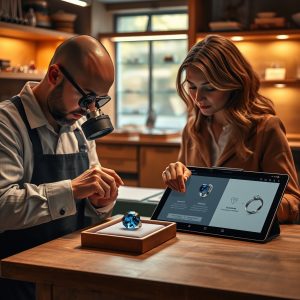
One of the most exciting developments in modern jewelry is the rise of custom engagement rings. No longer limited to pre-designed catalogs, couples are collaborating with jewelers to create pieces that are as unique as their relationships. This trend is fueled by a desire for authenticity—a rejection of mass-produced uniformity in favor of something deeply personal.
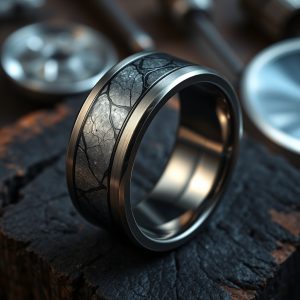
Customization begins with the diamond itself. While traditionalists may opt for a flawless, colorless stone, others are embracing the character of salt-and-pepper diamonds or the vibrant hues of colored diamonds. These unconventional choices add depth and personality to a ring, turning it into a wearable piece of art. The setting, too, plays a crucial role in customization. Vintage illusion settings, with their intricate metalwork, create the illusion of a larger diamond, while hidden halos add a touch of sparkle without overwhelming the design. For those who prefer a modern aesthetic, asymmetrical settings or mixed metal bands offer a contemporary twist on classic styles.
Sustainable Luxury: The Future of Fine Jewelry
The intersection of geometric cuts, lab-grown diamonds, and custom design is giving rise to a new era of sustainable luxury. This movement is not just about reducing harm; it is about reimagining what luxury can be. Recycled gold, for instance, is gaining popularity as a way to minimize environmental impact while maintaining the warmth and richness of traditional gold. Similarly, delicate eternity bands and tennis bracelets crafted from lab-grown diamonds offer timeless elegance without the ethical compromises of the past.
Sustainable luxury is also about longevity. A well-crafted, custom-designed ring is not just a piece of jewelry; it is an heirloom, a symbol of love and commitment that can be passed down through generations. By choosing ethical materials and thoughtful design, couples are investing in a future where beauty and responsibility go hand in hand. This shift is not just a trend; it is a fundamental change in how we perceive value, craftsmanship, and the stories we choose to wear.
As the jewelry industry continues to evolve, one thing is clear: the most meaningful pieces are those that reflect both personal style and a commitment to the world we live in. Whether through the sharp lines of a geometric cut, the ethical brilliance of a lab-grown diamond, or the bespoke details of a custom design, today’s rings are more than just symbols of love—they are declarations of values, artistry, and the quiet revolution that is reshaping the way we adorn ourselves.