
The Crown Jewels of Tomorrow: How Magnificent Auctions Preserve the Legacy of Rare Colored Diamonds and Antique Royal Jewels
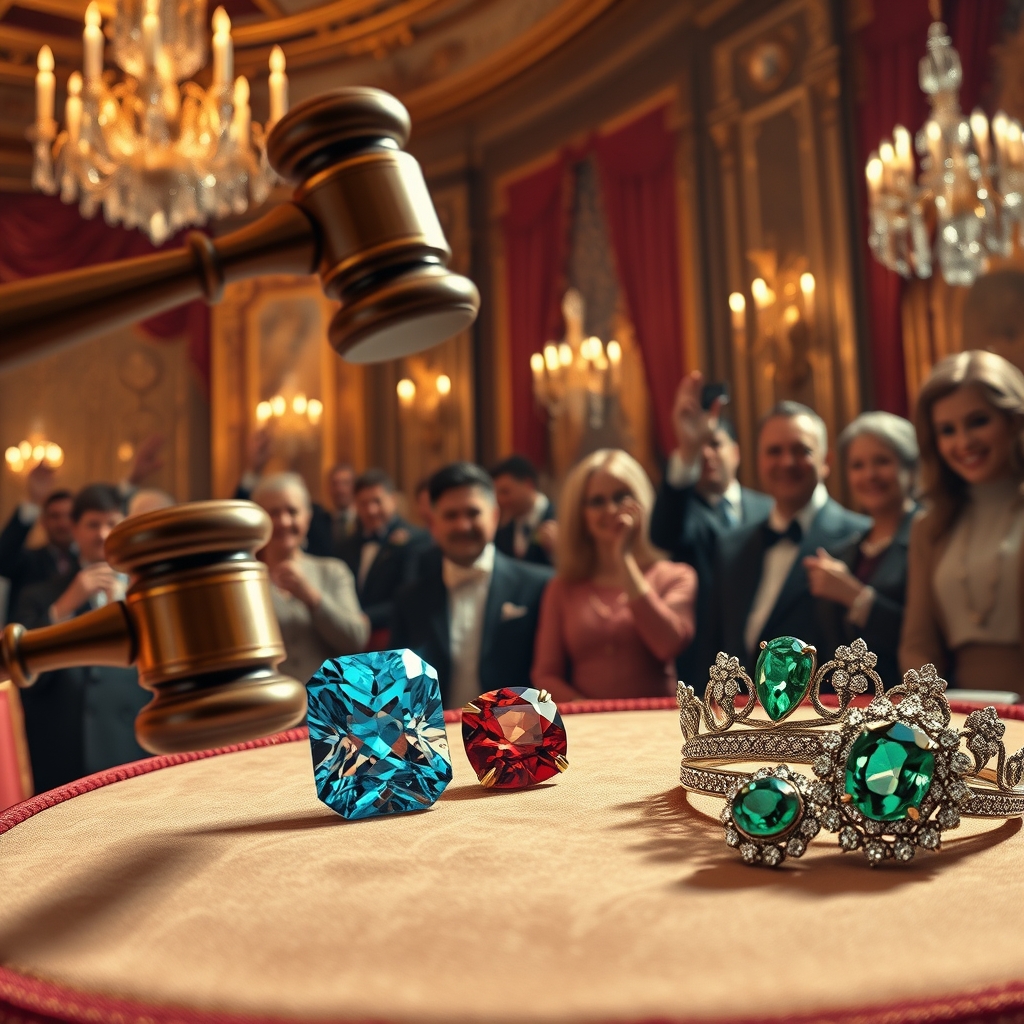
The world of fine jewelry auctions is a dazzling intersection of history, artistry, and unparalleled craftsmanship. Each season, auction houses around the globe unveil collections that transcend mere adornment, offering pieces that are steeped in legacy, rarity, and the kind of allure that only centuries of provenance can bestow. Among these treasures, rare colored diamonds and antique royal jewels stand as the undisputed crown jewels of the auction world, captivating collectors and connoisseurs alike with their mesmerizing beauty and storied pasts.
The Rarity of Color: Why Colored Diamonds Reign Supreme
In the realm of gemstones, few categories command the same level of fascination—and hammer prices—as rare colored diamonds. Unlike their colorless counterparts, these gems derive their value from the intensity, saturation, and rarity of their hues. A vivid blue diamond, such as the legendary Hope Diamond, or a fiery red diamond like the Moussaieff Red, can fetch sums that defy imagination. The reason? Their scarcity. For every 10,000 colorless diamonds mined, only one will exhibit a natural, vibrant color. This rarity transforms them into not just jewels, but investment-grade assets that appreciate over time.
Auction houses like Sotheby’s and Christie’s have long recognized the magnetic pull of these gems. In recent years, record-breaking sales have underscored their status as the ultimate symbols of luxury. The 2017 auction of the Pink Star, a 59.60-carat internally flawless fancy vivid pink diamond, set a world record when it sold for $71.2 million. Such sales are not merely transactions; they are cultural moments that redefine the boundaries of value and desirability in the world of fine jewelry.
The Science and Story Behind the Hue
The color in these diamonds is the result of trace elements or structural anomalies within the crystal lattice. Nitrogen impurities, for instance, can create yellow or orange diamonds, while boron lends a blue hue. Green diamonds, among the rarest, owe their color to natural radiation exposure over millions of years. The allure of these gems lies not just in their beauty, but in the geological narratives they carry—stories written deep within the Earth’s crust, long before human hands ever touched them.
For collectors, the appeal of certified colored gemstones extends beyond their aesthetic brilliance. These diamonds are often accompanied by reports from gemological institutes like the GIA (Gemological Institute of America), which verify their authenticity, origin, and color grade. Such certification is not just a formality; it is a guarantee of a gem’s pedigree, ensuring that its value remains untarnished by time or trends.
Antique Royal Jewels: Where History Meets Haute Joaillerie
If colored diamonds are the stars of the auction stage, then antique royal jewels are the grand dames—elegant, regal, and imbued with the kind of historical provenance that money alone cannot buy. These pieces are not merely jewelry; they are artifacts of power, love, and legacy, often tied to the most iconic figures in history. From the sapphire and diamond tiara once worn by Empress Josephine to the pearl and diamond parure of Queen Marie Antoinette, these treasures offer a tangible connection to the past.
The market for fine estate jewelry with royal provenance has seen a remarkable resurgence in recent years. Collectors are increasingly drawn to the romance and narrative of these pieces, which often come with documented histories that trace their journey through the hands of monarchs, aristocrats, and cultural icons. The 2021 sale of the Duke of Windsor’s Cartier Tank Watch, for example, fetched over $1.8 million, not just for its craftsmanship, but for its association with one of the 20th century’s most controversial and charismatic figures.
The Craftsmanship of a Bygone Era
What sets antique royal jewels apart is the unparalleled artistry of their creation. Before the advent of modern technology, jewelers relied on handcrafted techniques that have since become lost arts. The intricate en tremblant settings of 18th-century brooches, the delicate filigree work of Victorian rings, and the bold geometric designs of Art Deco necklaces all reflect the aesthetic and cultural zeitgeist of their time. These pieces are not just beautiful; they are masterclasses in design, offering a glimpse into the evolution of jewelry as an art form.
Moreover, the materials used in these jewels—natural pearls, unheated sapphires, and old-mine cut diamonds—are often of a quality that is no longer available today. The natural pearls favored by European royalty, for instance, are nearly impossible to find in modern markets, as overfishing and pollution have decimated their populations. This scarcity only adds to the allure of antique pieces, making them highly sought-after by collectors who value both their beauty and their historical significance.
The Auction Experience: Where Legends Are Made
Attending a magnificent jewels auction is an experience unlike any other. The atmosphere is electric, charged with anticipation as bidders from around the world vie for the chance to own a piece of history. The auction house itself becomes a stage, where the drama of the bidding war unfolds in real time, often culminating in a single, decisive hammer fall that seals the fate of a priceless treasure.
For those unable to attend in person, the rise of online bidding platforms has democratized access to these events, allowing collectors to participate from anywhere in the world. Yet, the thrill of the live auction remains unmatched. There is something profoundly moving about witnessing the transfer of a jewel that has been passed down through generations, its story continuing to unfold with each new owner.
Auction houses play a crucial role in preserving the legacy of these treasures. Through meticulous research and curation, they ensure that each piece is presented not just as an object of beauty, but as a chapter in the broader narrative of human history. Catalogs are filled with essays that delve into the provenance of each jewel, offering context that enriches the bidding experience and deepens the connection between the piece and its potential owner.
The Future of Fine Jewelry Auctions
As the world of fine jewelry auctions continues to evolve, one thing remains constant: the enduring appeal of rarity and history. The demand for investment-grade diamonds and historical provenance gemstones shows no signs of waning, as collectors increasingly view these pieces as both tangible assets and emotional investments. The rise of younger, tech-savvy buyers has also introduced new dynamics to the market, with digital platforms and social media playing a pivotal role in shaping trends and driving interest.
Yet, at its core, the allure of a magnificent jewels auction lies in its ability to transcend time. Whether it’s a rare colored diamond that has journeyed from the depths of the Earth to the auction block, or an antique royal jewel that has graced the necks of kings and queens, these treasures carry with them the weight of history and the promise of eternity. They remind us that true luxury is not just about ownership, but about becoming part of a story that began long before we were born and will continue long after we are gone. In a world that is increasingly digital and ephemeral, the tangible, the rare, and the historically significant have never been more precious.