
The Gilded Spectrum: How Rare Colored Diamonds and Art Deco Masterpieces Command the Auction Stage
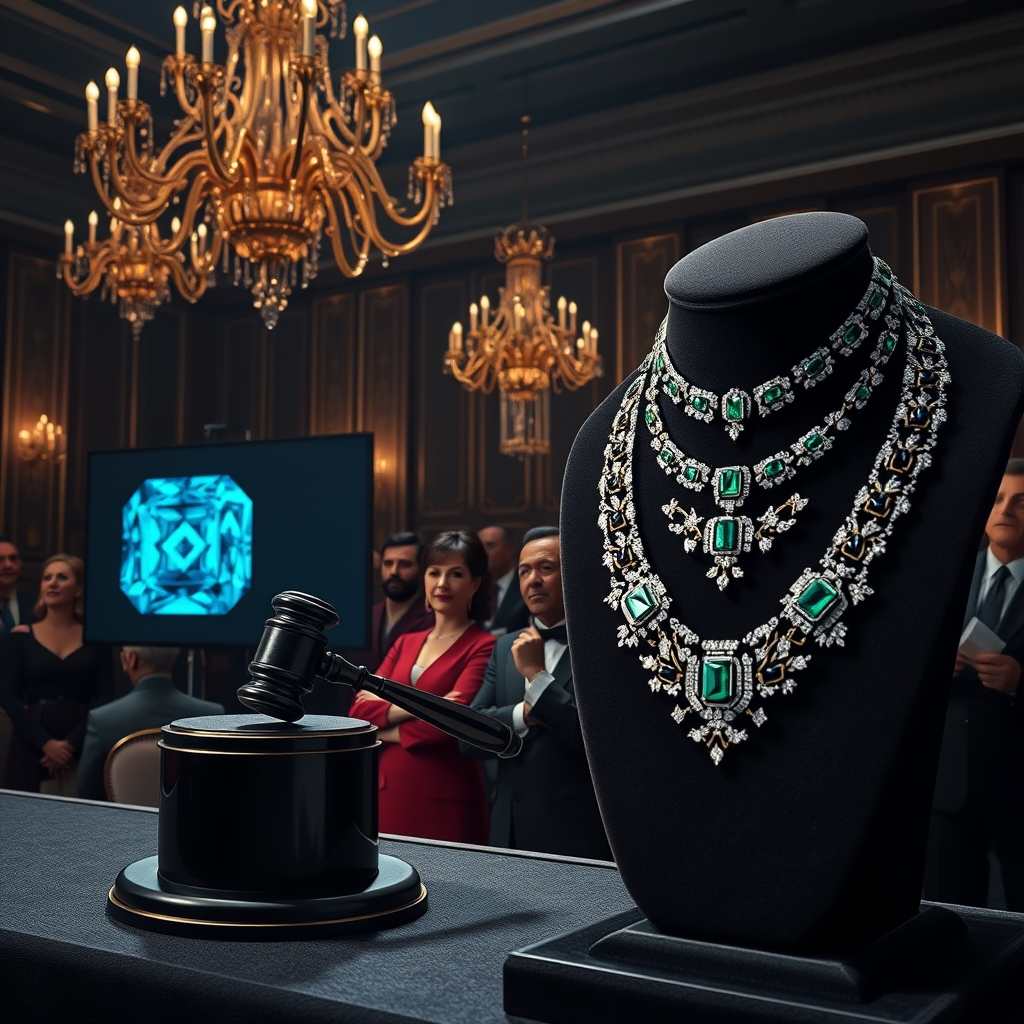
The world of fine jewelry auctions is a dazzling theater where history, craftsmanship, and rarity converge to create moments of unparalleled excitement. Among the most coveted treasures that grace the auction block, rare colored diamonds and Art Deco estate finds stand as titans, captivating collectors with their mesmerizing beauty and storied pasts. These pieces are not merely accessories; they are artifacts of human ingenuity, cultural shifts, and the relentless pursuit of perfection.
The Enigmatic Allure of Rare Colored Diamonds
Colored diamonds are the unicorns of the gemstone world—elusive, breathtaking, and often commanding prices that defy conventional valuation. Unlike their colorless counterparts, these diamonds derive their hues from trace elements or structural anomalies during their formation. A vivid blue diamond, for instance, owes its ethereal shade to the presence of boron, while a radiant pink diamond’s color is the result of immense pressure distorting its crystal lattice. The rarity of these stones is staggering; for every 10,000 colorless diamonds mined, only one will exhibit a natural, vibrant color.
At prestigious auctions, these gems are not just sold—they are celebrated. The 2017 sale of the Pink Star, a 59.60-carat fancy vivid pink diamond, set a world record when it fetched $71.2 million, underscoring the insatiable demand for such masterpieces. What makes these diamonds truly extraordinary, however, is not just their color but their provenance. Stones with historical ties to royalty, celebrities, or pivotal moments in history often see their values soar. The Hope Diamond, with its deep blue hue and cursed reputation, is a prime example of how narrative and rarity intertwine to create an auction legend.
The Science and Symbolism Behind the Colors
Each colored diamond tells a story written in the language of geology and human desire. Yellow diamonds, often associated with warmth and opulence, are among the more accessible of the colored varieties, yet their prices can still reach astronomical heights when paired with exceptional clarity and saturation. Green diamonds, on the other hand, are among the rarest, formed when radiation alters their structure over millions of years. Their verdant tones evoke images of lush landscapes and ancient forests, making them highly sought after by collectors who appreciate their natural mystique.
Red diamonds, the rarest of them all, are so scarce that fewer than 30 true red diamonds are known to exist. Their fiery hue is not the result of impurities but rather a phenomenon called plastic deformation, where the diamond’s crystal structure is twisted during formation. The Moussaieff Red, a 5.11-carat internally flawless red diamond, remains one of the most famous examples, its value estimated in the tens of millions. For collectors, owning such a stone is akin to possessing a piece of the Earth’s most guarded secrets.
The Timeless Elegance of Art Deco Estate Finds
While colored diamonds dazzle with their natural brilliance, Art Deco jewelry enchants with its bold geometric designs and meticulous craftsmanship. Emerging in the 1920s, the Art Deco movement was a rebellion against the organic curves of Art Nouveau, embracing instead the sleek lines, symmetry, and industrial influences of the machine age. Jewelry from this era is characterized by its use of platinum, onyx, coral, and vibrant gemstones arranged in striking, often symmetrical patterns. These pieces are not just adornments; they are wearable art, reflecting the optimism and dynamism of the Roaring Twenties.
Iconic Designers and Their Legacy
No discussion of Art Deco jewelry would be complete without mentioning the masters who defined the era. Cartier, Van Cleef & Arpels, and Tiffany & Co. were among the houses that elevated jewelry design to new heights, creating pieces that remain iconic nearly a century later. Cartier’s Tutti Frutti designs, with their carved rubies, emeralds, and sapphires, are a testament to the era’s fascination with exoticism and color. Meanwhile, Van Cleef & Arpels’ Passe-Partout necklace, with its interchangeable motifs, showcased the movement’s innovative spirit.
One of the most legendary Art Deco pieces to ever appear at auction is the Bib necklace created by Cartier for Daisy Fellowes in 1936. Composed of 27 emeralds and 29 diamonds set in platinum, the necklace is a masterclass in balance and contrast. When it sold at auction in 2015, it fetched over $27 million, a testament to the enduring appeal of Art Deco’s bold aesthetic. For collectors, these pieces are more than just jewelry; they are snapshots of a transformative era in design and culture.
Why Art Deco Jewelry Remains a Smart Investment
Beyond their aesthetic appeal, Art Deco pieces are prized for their investment potential. Unlike contemporary jewelry, which can depreciate over time, well-preserved Art Deco items often appreciate, particularly those with a documented provenance or connection to a notable designer. The scarcity of original Art Deco jewelry—much of which was melted down during World War II to fund the war effort—only adds to their allure. Today, collectors scour estate sales, auctions, and private collections in search of these elusive treasures, knowing that a single piece can anchor a collection and appreciate significantly over time.
The Intersection of Rarity and Desire
What unites rare colored diamonds and Art Deco estate finds is their ability to transcend time, captivating generation after generation of collectors. These pieces are not merely bought; they are acquired with the understanding that they are custodians of history, craftsmanship, and beauty. In an era where mass production dominates, the allure of something truly rare—whether it’s a diamond formed over billions of years or a necklace crafted by a master jeweler in the 1920s—remains unshakable.
Auction houses play a pivotal role in this ecosystem, curating collections that tell stories as much as they showcase luxury. A single sale can bring together a vivid blue diamond once owned by a Hollywood icon, an Art Deco bracelet designed by a legendary house, and a strand of natural pearls with a royal provenance. Each piece, with its unique journey, adds a layer of depth to the auction experience, transforming it from a transaction into a celebration of human creativity and the enduring power of beauty. The gavel’s fall is not just the end of a bid; it is the beginning of a new chapter in the life of a treasure that will continue to inspire awe for centuries to come.