The Future of Fine Jewelry: How Direct Artist Collaboration and Transparency Are Redefining Luxury
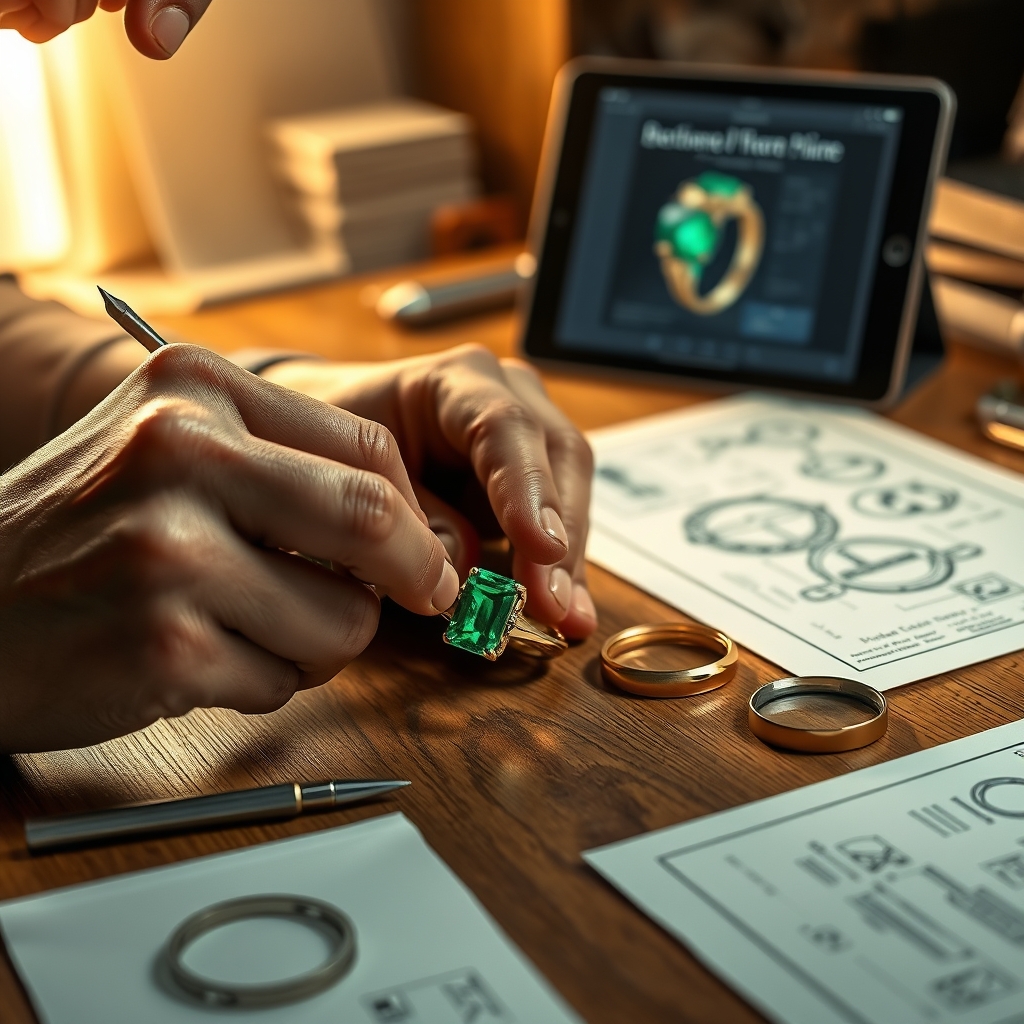
The world of fine jewelry is undergoing a quiet revolution. No longer confined to the glass cases of high-end boutiques or the rigid designs of mass-produced collections, today’s discerning buyers are seeking something far more meaningful: a piece that tells a story, reflects their values, and carries the unmistakable touch of human craftsmanship. At the heart of this shift lies a growing demand for direct artist collaboration, ethical gemstone sourcing, and transparent jewelry valuation—elements that transform the act of acquiring jewelry from a transaction into a deeply personal journey.
The Rise of the Conscious Collector
Luxury is no longer synonymous with exclusivity alone. Modern collectors are just as concerned with provenance-based purchasing as they are with aesthetics. They want to know where their gemstones were mined, under what conditions, and how their purchase impacts the communities involved. This shift has given rise to a new wave of jewelers who prioritize sustainable jewelry procurement, ensuring that every diamond, sapphire, or emerald is traceable back to its origin—often with certifications from organizations like the Responsible Jewellery Council or Fairmined.
But ethical sourcing is only part of the equation. Buyers are also seeking informed luxury buying experiences, where they can engage with the creative process from start to finish. This is where direct artist collaboration comes into play. Instead of selecting a pre-designed piece, clients are now working hand-in-hand with jewelers, sketching ideas, selecting stones, and even visiting workshops to see their creations come to life. The result? A one-of-a-kind piece that feels as unique as the person wearing it.
The Bespoke Experience: From Concept to Creation
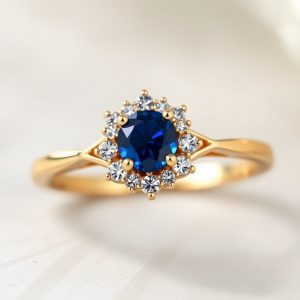
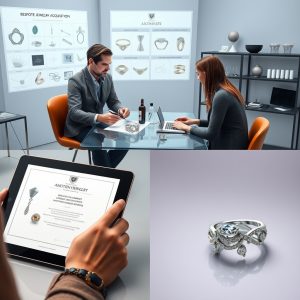
The bespoke engagement ring journey is perhaps the most intimate example of this trend. Couples are no longer settling for generic designs; they’re crafting symbols of their love that reflect their personalities, values, and shared vision. The process often begins with a virtual jewelry consultation, where clients discuss their preferences, budget, and inspirations with a designer. Advanced 3D modeling tools allow them to visualize their ring before a single stone is set, making the experience both interactive and immersive.
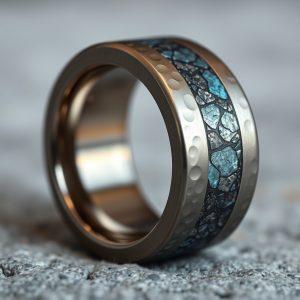
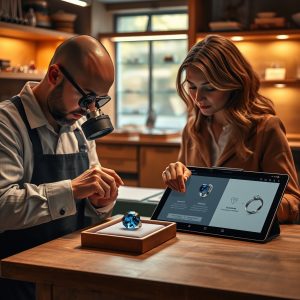
For those who prefer a hands-on approach, interactive jewelry prototyping offers the chance to experiment with different metals, gemstone cuts, and settings. Some jewelers even provide strategic gemstone selection services, where experts guide clients through the nuances of color, clarity, and carat weight to find the perfect stone within their budget. This level of customization ensures that the final piece isn’t just beautiful—it’s a true investment in craftsmanship and sentiment.
The Value of Transparency in a Traditionally Opaque Industry
One of the most significant changes in modern jewelry procurement is the push for transparent jewelry valuation. Historically, the industry has been shrouded in mystery, with markups and sourcing practices kept closely guarded. Today, however, buyers are demanding clarity. They want to know the exact cost breakdown of their piece—from the price of the raw materials to the artisan’s labor—and they’re willing to pay a premium for honesty.
This transparency extends beyond pricing. Digital jewelry authentication is becoming increasingly common, with blockchain technology being used to create immutable records of a piece’s origin, materials, and ownership history. For collectors, this means peace of mind; for jewelers, it’s an opportunity to build trust and differentiate themselves in a competitive market.
Investing in Handcrafted Artistry
In an era of fast fashion and disposable goods, handcrafted jewelry investment stands as a testament to enduring quality. Unlike mass-produced pieces, which often lose value over time, bespoke jewelry appreciates both financially and emotionally. The reason? It’s not just a product—it’s a collaboration between artist and client, infused with intention and skill.
Artisan jewelers are also redefining what it means to build a value-driven jewelry collection. Rather than chasing trends, they’re creating timeless pieces designed to be passed down through generations. This approach aligns with the growing interest in modern heirloom acquisition, where jewelry is seen not just as an accessory, but as a legacy.
The Role of Technology in Personalized Luxury
Technology has played a pivotal role in making seamless jewelry customization accessible to a wider audience. Virtual try-on tools, augmented reality (AR) apps, and AI-driven design platforms allow clients to experiment with different styles without ever setting foot in a store. For jewelers, these tools streamline the design process, reducing waste and ensuring that every piece is tailored to the client’s exact specifications.
Meanwhile, curated boutique sourcing platforms are connecting buyers with independent artisans from around the world. These digital marketplaces offer a carefully selected range of pieces, each with its own story and ethical credentials. For those who crave a tailored fine jewelry experience but lack the time or resources to commission a custom piece, these platforms provide a middle ground—offering exclusivity without the lengthy production timeline.
The future of fine jewelry lies in the hands of those who dare to reimagine it. By embracing direct artist collaboration, ethical sourcing, and transparent practices, the industry is not just meeting the demands of modern buyers—it’s elevating the very concept of luxury. No longer a symbol of status alone, today’s jewelry is a reflection of values, a celebration of individuality, and a testament to the enduring power of human connection. As more people seek meaning in their purchases, the lines between creator and collector will continue to blur, giving rise to a new era of jewelry—one where every piece is as unique as the story it tells.