The Gilded Heirloom: How Fine Estate Jewelry and Rare Colored Diamonds Become Auction Legends
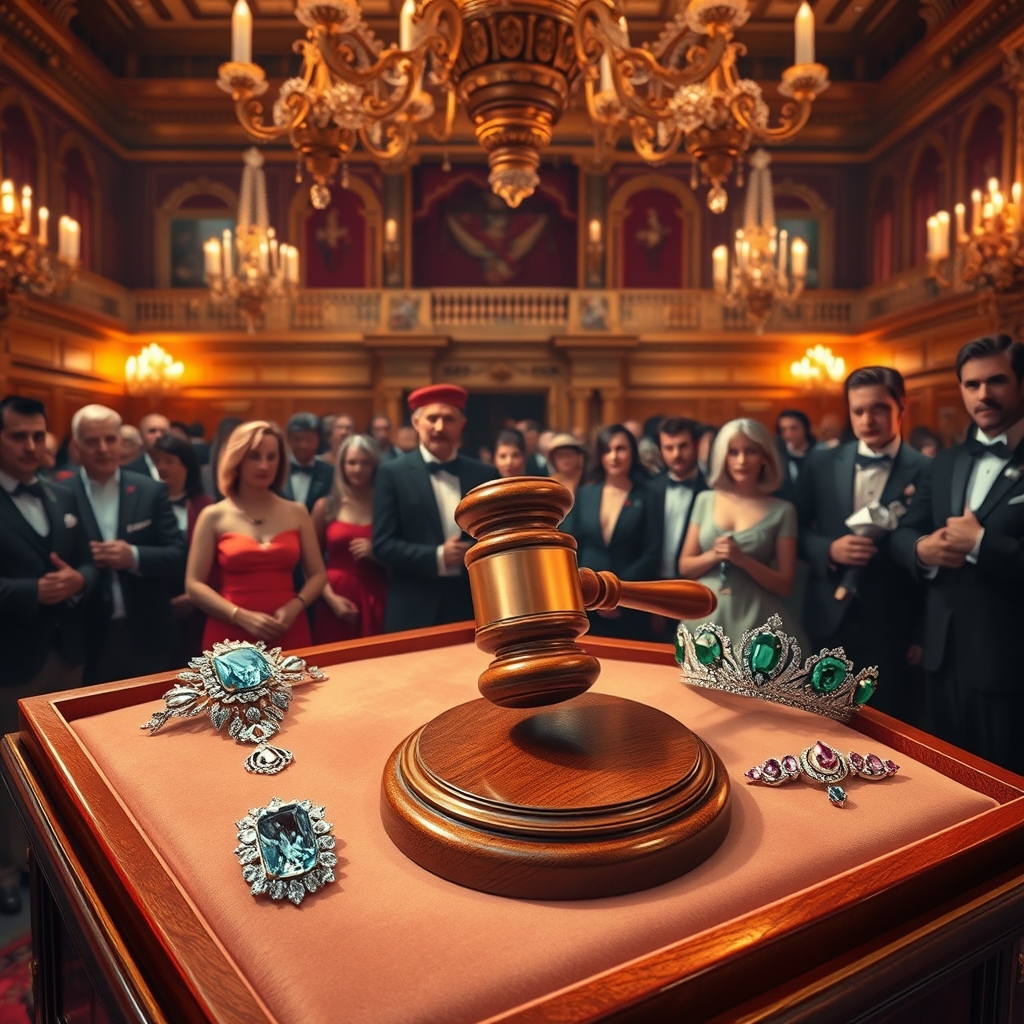
The world of fine jewelry auctions is a mesmerizing blend of history, craftsmanship, and sheer opulence. Among the most coveted treasures that grace the auction block are pieces of fine estate jewelry, each carrying a story that transcends time. These are not merely accessories; they are heirlooms, relics of eras gone by, and symbols of enduring elegance. When paired with rare colored diamonds, their allure becomes irresistible, drawing collectors and connoisseurs from every corner of the globe.
The Timeless Appeal of Fine Estate Jewelry
Fine estate jewelry represents more than just exquisite craftsmanship—it embodies the legacy of its previous owners. Whether it’s a Cartier brooch worn by a Hollywood icon or a Van Cleef & Arpels necklace passed down through generations of aristocracy, these pieces carry an aura of prestige. Auction houses like Sotheby’s and Christie’s have long recognized the magnetic pull of such items, often featuring them in high-profile sales where they fetch record-breaking prices. The appeal lies not only in their beauty but in their provenance, a tangible connection to the past that modern pieces simply cannot replicate.
One of the most fascinating aspects of estate jewelry is its ability to bridge the gap between different eras. A Victorian-era ring, for instance, might feature intricate filigree work and a deep, romantic symbolism, while an Art Deco bracelet could dazzle with geometric precision and bold, modern lines. These pieces are not just relics; they are wearable art, each telling a story of the time in which they were created. For collectors, owning such a piece is akin to possessing a fragment of history, a tangible link to the tastes, technologies, and cultural movements of the past.
The Role of Provenance in Elevating Value
Provenance is the lifeblood of fine estate jewelry. A piece with a well-documented history—perhaps once owned by royalty, a celebrated artist, or a legendary socialite—can command prices far beyond its intrinsic value. The allure of owning something that once graced the neck of a duchess or the wrist of a silver screen star adds an intangible layer of desirability. Auction houses go to great lengths to authenticate and trace the lineage of these pieces, often collaborating with historians and gemologists to ensure their stories are as flawless as the gems they feature.
Consider the case of the Bismarck Sapphire Necklace, a stunning piece that once belonged to Countess Mona von Bismarck. When it went under the hammer at Christie’s, its historical significance played a pivotal role in its final hammer price, which soared into the millions. Such examples underscore how provenance can transform a beautiful piece of jewelry into a legendary artifact, coveted not just for its aesthetics but for its place in history.
The Allure of Rare Colored Diamonds
While fine estate jewelry captivates with its history, rare colored diamonds dazzle with their sheer rarity and breathtaking beauty. These are not the traditional white diamonds that dominate the market; instead, they are nature’s anomalies, displaying hues of pink, blue, green, and even red. Their scarcity makes them some of the most sought-after gems in the world, often becoming the centerpieces of high-stakes auctions.
The most famous among them is perhaps the Pink Star, a 59.60-carat fancy vivid pink diamond that sold for a staggering $71.2 million at a Sotheby’s auction in Hong Kong. Such sales are not merely transactions; they are events, drawing global attention and setting new benchmarks for what the market deems valuable. The appeal of colored diamonds lies in their uniqueness—no two are exactly alike, and their vibrant hues are the result of rare geological conditions that occur only under extraordinary circumstances.
Investment Potential and Market Trends
Beyond their aesthetic appeal, rare colored diamonds are increasingly viewed as sound investments. Unlike stocks or real estate, these gems are portable, tangible, and have a proven track record of appreciating in value over time. Auction records for colored diamonds have consistently broken previous benchmarks, with pink, blue, and red diamonds leading the charge. For instance, the Oppenheimer Blue, a 14.62-carat fancy vivid blue diamond, fetched $57.5 million at Christie’s Geneva, setting a world record for the most expensive jewel ever sold at auction at the time.
The market for these gems is not just driven by their beauty but by their scarcity. As natural colored diamonds become rarer—due to both mining challenges and environmental regulations—their value is expected to continue rising. Savvy collectors are increasingly diversifying their portfolios to include these gems, recognizing their potential as both a store of value and a legacy asset to pass down through generations.
The Intersection of Estate Jewelry and Colored Diamonds
When fine estate jewelry and rare colored diamonds converge, the result is nothing short of magical. Imagine a vintage Cartier tiara reset with a collection of natural pink diamonds, or an antique brooch featuring a rare blue diamond at its center. These pieces are not just jewelry; they are masterpieces, blending the craftsmanship of a bygone era with the unparalleled beauty of nature’s rarest gems. Auction houses often curate special sales around such combinations, knowing that they will attract the most discerning of collectors.
One such example is the Graff Pink, a 24.78-carat fancy intense pink diamond that was set into a ring by the legendary jeweler Graff. When it sold at Sotheby’s in 2010, it became the most expensive single jewel ever sold at auction at the time, fetching $46.2 million. The ring’s design, which paid homage to vintage aesthetics while showcasing the diamond’s brilliance, perfectly illustrated how estate jewelry and colored diamonds can create something truly extraordinary.
The Future of Auction Trends
As the auction world evolves, so too do the trends that shape it. One notable shift is the growing interest in sustainability and ethical sourcing. Collectors are increasingly seeking out pieces with transparent histories, from the origins of their gemstones to the conditions under which they were crafted. This has led to a renewed appreciation for estate jewelry, which often comes with a clear provenance and a smaller environmental footprint compared to newly mined gems.
Another trend is the rise of digital auctions and online bidding platforms. While the allure of a live auction in a grand hall will never fade, the convenience and accessibility of online sales have opened up the world of fine jewelry to a broader audience. This democratization of the auction process has led to increased competition for rare pieces, driving prices even higher and ensuring that the market remains as dynamic as ever.
The world of fine estate jewelry and rare colored diamonds is a realm where history, artistry, and rarity collide. Each piece that graces the auction block is more than just an object; it is a testament to the enduring allure of beauty and the human desire to possess something truly extraordinary. Whether it’s the story behind a vintage signed piece or the unmatched brilliance of a colored diamond, these treasures continue to captivate, inspire, and redefine what it means to own a piece of the past. In a world where trends come and go, the timeless elegance of these jewels remains a constant, a shining beacon of luxury that transcends time and trends.