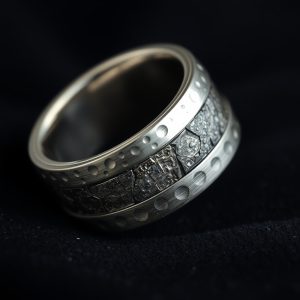
The Gilded Provenance: How Historical Gemstones and Iconic Designs Command the Auction Stage

The world of fine jewelry auctions is a mesmerizing blend of history, artistry, and unparalleled craftsmanship. Each piece that graces the auction block carries with it a story—a whisper from the past that elevates it beyond mere adornment into the realm of legend. Among the most coveted treasures are those with historical provenance, where the lineage of ownership transforms a gemstone or piece of jewelry into a tangible fragment of history. These are not just objects; they are relics of empires, testaments to love, and symbols of power that have transcended time.
The Allure of Historical Provenance
What makes a gemstone or piece of jewelry truly extraordinary? Often, it is not just its rarity or beauty but the story it tells. Historical provenance—the documented history of ownership—can turn an already stunning piece into an irreplaceable artifact. Imagine a diamond once worn by a queen, a sapphire that adorned the crown of an emperor, or a pearl necklace passed down through generations of aristocracy. These pieces carry the weight of their past, making them far more than mere accessories; they are heirlooms that connect us to bygone eras.
Auction houses like Sotheby’s and Christie’s have long recognized the magnetic pull of provenance. A piece with a well-documented history can command prices far beyond its intrinsic value, as collectors are not just buying a gemstone—they are acquiring a piece of history. For instance, the 2018 sale of the Winston Pink Legacy, a 18.96-carat fancy vivid pink diamond, fetched over $50 million, in part due to its association with the legendary jeweler Harry Winston. Such sales underscore how provenance can elevate a gemstone from merely rare to utterly priceless.
Iconic Designs: The Marriage of Art and Luxury
While historical provenance adds depth to a piece, iconic design collections bring artistry to the forefront. Jewelry houses like Cartier, Van Cleef & Arpels, and Tiffany & Co. have created designs that are instantly recognizable, transcending trends to become timeless masterpieces. These pieces are not just jewelry; they are wearable art, each one a testament to the vision and skill of the designers who crafted them.
Art Deco estate finds, for example, are highly sought after for their geometric precision and bold elegance. The movement, which flourished in the 1920s and 1930s, produced pieces that are as striking today as they were a century ago. A Cartier Tutti Frutti bracelet, with its vibrant carved gemstones and intricate platinum work, is a perfect example of how design can elevate a piece to iconic status. Similarly, the Zip Necklace by Van Cleef & Arpels, a design that transforms from a necklace into a bracelet, showcases the innovative spirit that defines luxury jewelry.
These iconic designs often resurface in auctions, where they are celebrated not just for their beauty but for their cultural significance. Collectors are drawn to them because they represent a moment in time when craftsmanship and creativity converged to create something truly extraordinary. The demand for such pieces is insatiable, with auction records being shattered time and again as bidders vie for the chance to own a piece of design history.
The Role of Rare Colored Diamonds and Gemstones
No discussion of high-stakes jewelry auctions would be complete without mentioning rare colored diamonds and gemstones. These natural wonders are the rarest of the rare, with hues so vivid and pure that they seem almost otherworldly. Fancy colored diamonds, in particular, are the darlings of the auction world, with pink, blue, and red diamonds fetching astronomical sums. The Graff Pink, a 24.78-carat fancy intense pink diamond, sold for $46 million in 2010, setting a record at the time for the most expensive single jewel ever sold at auction.
But it’s not just diamonds that captivate collectors. Rare sapphires, emeralds, and rubies, especially those with historical provenance, are equally coveted. The Rockefeller Sapphire, a 62.02-carat Burmese sapphire once owned by John D. Rockefeller Jr., sold for $3.1 million in 2018, a testament to the enduring appeal of these gemstones. Their allure lies not just in their beauty but in their scarcity—each one is a unique creation of nature, impossible to replicate.
Investment-Grade Jewelry: Beauty Meets Financial Savvy
For many collectors, fine jewelry is more than just a passion—it’s an investment. Investment-grade diamonds and gemstones are those that are not only rare and beautiful but also likely to appreciate in value over time. These pieces are carefully selected based on their quality, rarity, and market demand, making them a smart addition to any diversified portfolio. Natural pearls, for example, have seen a resurgence in popularity, with their prices soaring as supplies dwindle. A single natural pearl can sell for millions, especially if it is part of a historic piece with a storied past.
Similarly, classic sovereign gold pieces, such as those from the Victorian or Edwardian eras, are highly prized for their craftsmanship and historical significance. These pieces often feature intricate engravings, filigree work, and the use of high-karat gold, making them not just beautiful but also a tangible connection to the past. As the market for fine jewelry continues to grow, these investment-grade pieces are becoming increasingly sought after by collectors and investors alike.
The Future of Fine Jewelry Auctions
The world of fine jewelry auctions is evolving, with new trends and technologies shaping the way collectors engage with these treasures. Online auctions have democratized access, allowing bidders from around the world to participate in high-stakes sales. Meanwhile, blockchain technology is being used to verify the provenance of gemstones, providing buyers with greater transparency and confidence in their purchases. These advancements are making the auction experience more accessible and secure, ensuring that the market for fine jewelry continues to thrive.
Yet, despite these changes, the core appeal of fine jewelry auctions remains the same: the thrill of owning a piece of history, the joy of acquiring a work of art, and the satisfaction of investing in something truly extraordinary. Whether it’s a rare colored diamond, an iconic design, or a gemstone with a storied past, these pieces are more than just objects—they are legacies, passed down through generations, each one a testament to the enduring allure of beauty and rarity. The auction stage is where these legacies come to life, where the past and present collide, and where the most magnificent jewels find their next custodians, ready to write the next chapter in their timeless stories.