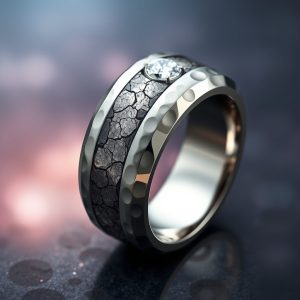
The Hidden Layers of Bespoke Jewelry: How Transparency, Artistry, and Technology Shape a Modern Heirloom
The journey of acquiring a piece of bespoke jewelry is often romanticized—envisioned as a seamless blend of creativity, craftsmanship, and personal expression. Yet, beneath the surface of this enchanting process lies a meticulous framework of decisions, collaborations, and innovations that transform a fleeting idea into a tangible legacy. It’s not merely about owning a beautiful object; it’s about participating in a narrative that intertwines ethics, artistry, and technology in ways that redefine what luxury means in the modern age.
The Foundation: Ethical Sourcing as a Non-Negotiable Pillar
At the heart of every meaningful bespoke jewelry piece is the story of its materials. Ethical gemstone sourcing is no longer a niche preference but a cornerstone of responsible luxury. The shift toward transparency in the jewelry industry has revealed the dark underbelly of conventional gemstone mining—exploitative labor practices, environmental degradation, and conflict financing. Today’s discerning buyers demand more than just beauty; they seek assurance that their purchase does not come at the expense of human dignity or ecological balance.
This is where provenance-based purchasing becomes transformative. By tracing the journey of a gemstone from mine to market, jewelers can provide clients with verifiable proof of ethical extraction and fair trade practices. Certifications from organizations like the Responsible Jewellery Council or Fairmined ensure that every stone carries a legacy of integrity. For the modern collector, this level of transparency is not just reassuring—it’s empowering. It turns a simple transaction into a statement of values, where every facet of a gemstone reflects a commitment to a better world.
The Artisan’s Touch: Where Skill Meets Personalization
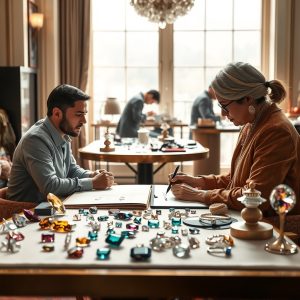
While ethical sourcing sets the stage, it is the artisan’s craftsmanship that breathes life into a bespoke jewelry piece. Direct artist collaboration is the bridge between a client’s vision and the final creation. Unlike mass-produced jewelry, where designs are dictated by trends and efficiency, bespoke pieces emerge from a dialogue—one that respects the wearer’s story as much as the jeweler’s expertise.
This collaborative process often begins with a sketch, a mood board, or even a simple conversation about the emotions a piece should evoke. Artisans bring technical precision to these ideas, advising on structural feasibility, gemstone placement, and metal choices. The result is a piece that is not only unique but also deeply personal. Whether it’s an engagement ring designed to symbolize a couple’s journey or a pendant crafted to honor a loved one’s memory, the artisan’s role transcends mere execution—it becomes an act of co-creation.
Interactive Prototyping: The Digital Revolution in Jewelry Design
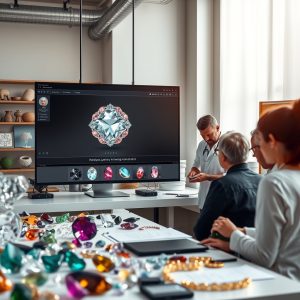
The integration of technology into the bespoke jewelry process has further elevated the client’s experience. Interactive jewelry prototyping, powered by 3D modeling and virtual reality, allows buyers to visualize their piece long before it takes physical form. This digital innovation eliminates the guesswork, enabling clients to experiment with different designs, metals, and gemstones in a risk-free environment.
Imagine adjusting the curvature of a band, swapping out a sapphire for an emerald, or resizing a setting—all with a few clicks. These tools not only enhance creativity but also foster a deeper connection between the wearer and the piece. The ability to see a lifelike rendering of a custom design before committing to production is a game-changer, reducing anxiety and ensuring satisfaction. It’s a far cry from the traditional method of relying on static sketches or vague descriptions, where the final product could sometimes feel like a gamble.
The Value of Transparency: Beyond the Price Tag
One of the most significant shifts in the luxury jewelry market is the demand for transparent jewelry valuation. In an industry historically shrouded in opacity, where markups and hidden costs were the norm, today’s buyers insist on clarity. They want to understand the breakdown of costs—how much goes into the gemstone, the craftsmanship, the design process, and even the ethical sourcing premiums.
This transparency is not just about fairness; it’s about informed luxury buying. When clients know the true value of their investment, they can make decisions that align with their priorities. For instance, a buyer might choose to allocate more of their budget toward a responsibly sourced diamond rather than a larger, but ethically ambiguous, stone. Or they might opt for a handcrafted piece with a higher labor cost over a machine-made alternative, knowing that every hour of artistry contributes to the piece’s uniqueness.
Sustainable Procurement: A Legacy That Extends Beyond the Wearable
The concept of sustainable jewelry procurement goes beyond the materials themselves. It encompasses the entire lifecycle of a piece—from design to disposal. Forward-thinking jewelers are exploring ways to minimize waste, such as using recycled metals, repurposing vintage stones, or offering repair and upcycling services. These practices ensure that a bespoke piece remains a cherished heirloom rather than a fleeting trend.
Moreover, sustainable procurement often intersects with modern heirloom acquisition. Today’s buyers are not just purchasing jewelry; they are investing in pieces that will be passed down through generations. This shift in perspective elevates the role of the jeweler from a mere vendor to a custodian of legacy. A ring, necklace, or bracelet is no longer just an accessory—it’s a vessel of stories, memories, and values that will endure long after the original owner is gone.
The Future of Bespoke: Where Tradition Meets Innovation
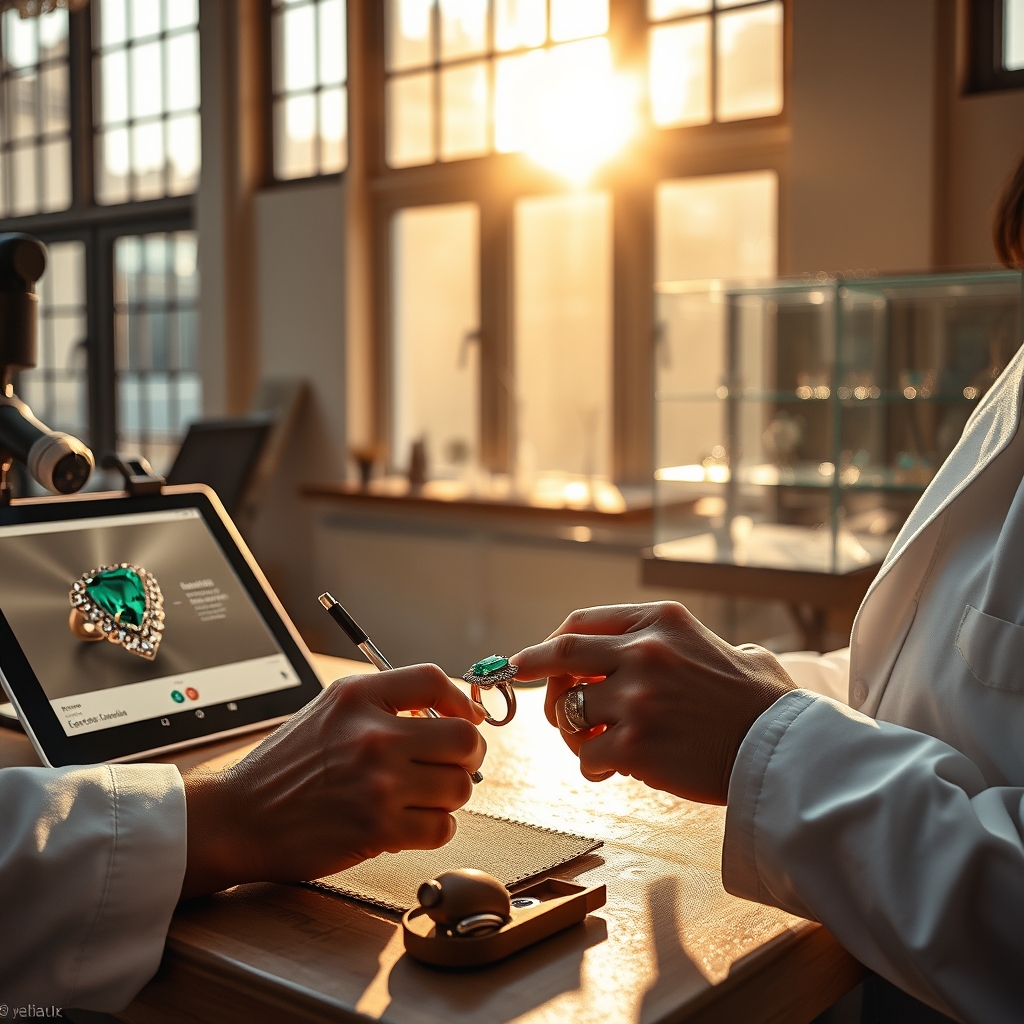
The bespoke jewelry experience is evolving at the intersection of tradition and innovation. Virtual jewelry consultations have made it possible for clients to engage with artisans from anywhere in the world, breaking down geographical barriers and democratizing access to personalized luxury. Digital authentication tools, such as blockchain-based certificates, provide immutable proof of a piece’s origin, craftsmanship, and ownership history, adding another layer of trust to the process.
Yet, for all the advancements in technology, the soul of bespoke jewelry remains rooted in human connection. The best pieces are those that tell a story—not just of the materials or the craftsmanship, but of the people behind them. Whether it’s the miner who unearthed the gemstone, the artisan who shaped it, or the wearer who will cherish it, each participant in the process leaves an indelible mark on the final creation.
In a world where mass production has made luxury more accessible but less meaningful, bespoke jewelry stands as a testament to the enduring power of individuality. It’s a reminder that true luxury is not about possession but about participation—a collaborative journey that begins with a spark of inspiration and ends with a piece that feels as unique as the person who wears it. The choices made along the way—from the ethical sourcing of gemstones to the artisan’s final polish—are what transform a simple object into a modern heirloom, one that carries the weight of intention, craftsmanship, and heart.