The Secret Lives of Gemstones: How Historical Provenance Elevates Jewelry to Legendary Status
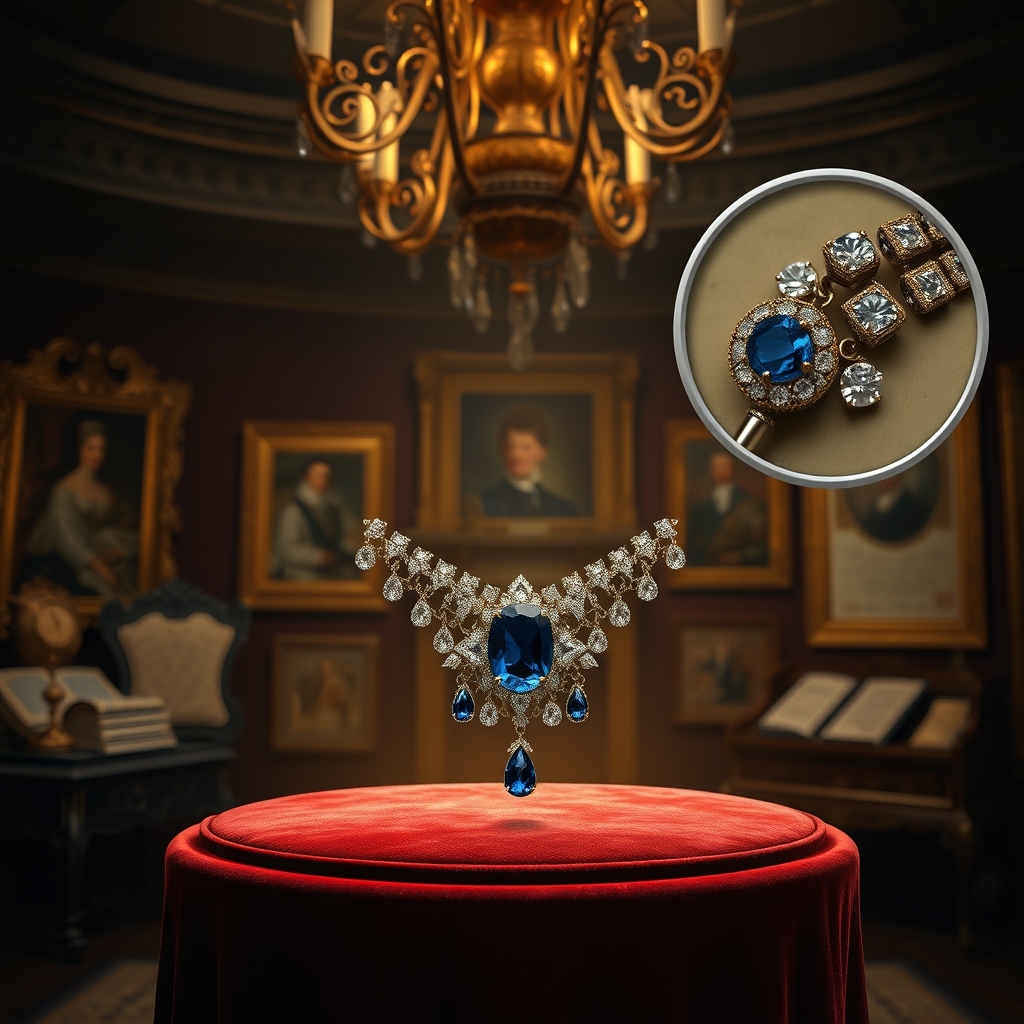
The world of fine jewelry is not merely about brilliance, craftsmanship, or rarity—it is about the stories etched into each gemstone, the hands they have passed through, and the eras they have witnessed. When a piece of jewelry carries historical provenance, it transcends its material value, becoming a tangible fragment of history. Auction houses around the globe recognize this intangible allure, often highlighting the lineage of a gemstone or jewel to captivate collectors and drive bidding wars to dizzying heights.
The Power of Provenance in Jewelry Auctions
Provenance—the documented history of an item—can transform a beautiful jewel into an irreplaceable artifact. Consider the case of the Hope Diamond, a 45.52-carat blue diamond with a provenance that reads like a gothic novel. Mined in India, owned by kings and socialites, and rumored to carry a curse, its story has elevated it to one of the most famous gemstones in the world. When pieces with such storied pasts appear at auctions like Magnificent Jewels or Masterpiece Heritage Bids, they don’t just sell—they become legends anew.
Auction houses meticulously research and verify provenance, often collaborating with historians, gemologists, and archivists to trace a jewel’s journey. A necklace once worn by Empress Josephine or a ring belonging to a Hollywood icon like Elizabeth Taylor doesn’t just represent luxury; it embodies a connection to the past. For collectors, owning such a piece is akin to holding a piece of history, a sentiment that often justifies record-breaking hammer prices.
Royal Jewels: From Thrones to Auction Blocks
Few things captivate the imagination like antique royal jewels. These pieces, once symbols of power and prestige, now find their way into prestigious private collections and public auctions. The Imperial Jadeite Auction in Hong Kong, for instance, often features jadeite pieces once owned by Chinese emperors, their vibrant green hues and impeccable craftsmanship a testament to centuries of imperial taste. Similarly, European royal jewels—such as those from the collections of Marie Antoinette or the Romanovs—carry with them the drama of revolutions, exiles, and dynasties.
One of the most notable examples is the Duke of Windsor’s Jewels, sold at auction in 1987. The collection, which included pieces gifted by King Edward VIII to Wallis Simpson, fetched prices far beyond their gemological value. The emotional resonance of the abdication crisis and the couple’s controversial love story turned these jewels into more than adornments—they became artifacts of a defining moment in 20th-century history.
Rare Colored Diamonds and the Allure of the Unique
While provenance adds depth to any jewel, it is particularly potent when paired with rare colored diamonds. These gems, formed under extraordinary geological conditions, are already highly sought after for their beauty and scarcity. When they also boast a historical connection, their value becomes almost incalculable. The Pink Star, a 59.60-carat fancy vivid pink diamond, sold for $71.2 million in 2017, setting a world record for any gemstone at auction. Though its provenance was not tied to royalty or celebrities, its sheer rarity and flawless quality made it a modern legend.
In contrast, the Oppenheimer Blue, a 14.62-carat vivid blue diamond, fetched $57.5 million in 2016, partly due to its association with the Oppenheimer family, who played a pivotal role in the diamond industry. Such pieces highlight how provenance and rarity intertwine to create auction blockbusters that captivate the world.
Estate Jewelry: A Bridge Between Eras
Fine estate jewelry and vintage signed jewelry offer collectors a more accessible entry point into the world of storied gems. These pieces, often crafted by legendary houses like Cartier, Van Cleef & Arpels, or Tiffany & Co., carry the design sensibilities of their time. An Art Deco estate find, for example, might feature geometric patterns and bold colors that reflect the modernity of the 1920s, while a mid-century piece could showcase the organic forms of the Retro period.
What makes estate jewelry particularly compelling is its ability to connect the past with the present. A brooch designed by Jean Schlumberger for Tiffany & Co. in the 1950s might have been worn by a socialite of the era, but today, it could be reimagined as a statement piece for a contemporary collector. Auction houses like Sotheby’s and Christie’s often curate iconic design collections that celebrate these timeless creations, offering buyers the chance to own a piece of design history.
The Investment Angle: Why Provenance Matters in Valuation
For investors, provenance is more than a romantic notion—it is a critical factor in determining a jewel’s long-term value. Investment-grade diamonds and certified colored gemstones with documented histories tend to appreciate at a higher rate than their anonymous counterparts. A study by the Gemological Institute of America (GIA) found that jewels with verified provenance can command premiums of 20% to 50% or more at auction. This is particularly true for pieces with celebrity or royal associations, which often see their value multiply over time.
Consider the case of natural pearl treasures. Once the ultimate symbol of wealth and status, natural pearls have become exceedingly rare due to overfishing and the rise of cultured pearls. When a strand of natural pearls with a royal provenance surfaces at auction, it can fetch millions. The Baroda Pearls, a double-strand necklace once owned by the Maharaja of Baroda, sold for $7.1 million in 2007, a testament to the enduring allure of provenance and rarity.
Luxury Watches and the Art of Heritage
While jewelry often steals the spotlight, luxury watch sales have also embraced the power of provenance. Timepieces with historical significance—such as those owned by Paul Newman, Steve McQueen, or members of royal families—routinely achieve astronomical prices. The Rolex Daytona worn by Paul Newman, for instance, sold for $17.8 million in 2017, shattering records for wristwatches. The watch’s connection to Newman’s legacy as an actor and racing enthusiast transformed it into a cultural icon.
Similarly, Patek Philippe watches with provenance tied to historical figures or events often see fierce bidding wars. A Patek Philippe pocket watch once owned by Henry Graves Jr., a prominent banker and collector, sold for $24 million in 2014, setting a record for any timepiece at the time. These examples underscore how provenance can elevate even functional objects into coveted works of art.
The fascination with provenance is more than a trend—it is a reflection of humanity’s desire to connect with the past. Whether it’s a diamond that once adorned a queen, a watch worn by a legendary actor, or a piece of jadeite carved for an emperor, these objects carry the weight of history. They remind us that jewelry is not just about adornment; it is about memory, legacy, and the stories we choose to preserve. In a world where mass production often strips objects of their individuality, provenance offers a rare and precious connection to the extraordinary lives that came before us.