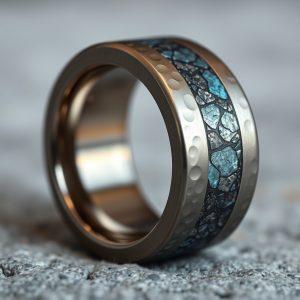
The Unseen Universe in Your Hands: How Gibeon Meteorite and Anodized Titanium Are Crafting Jewelry with Cosmic Depth
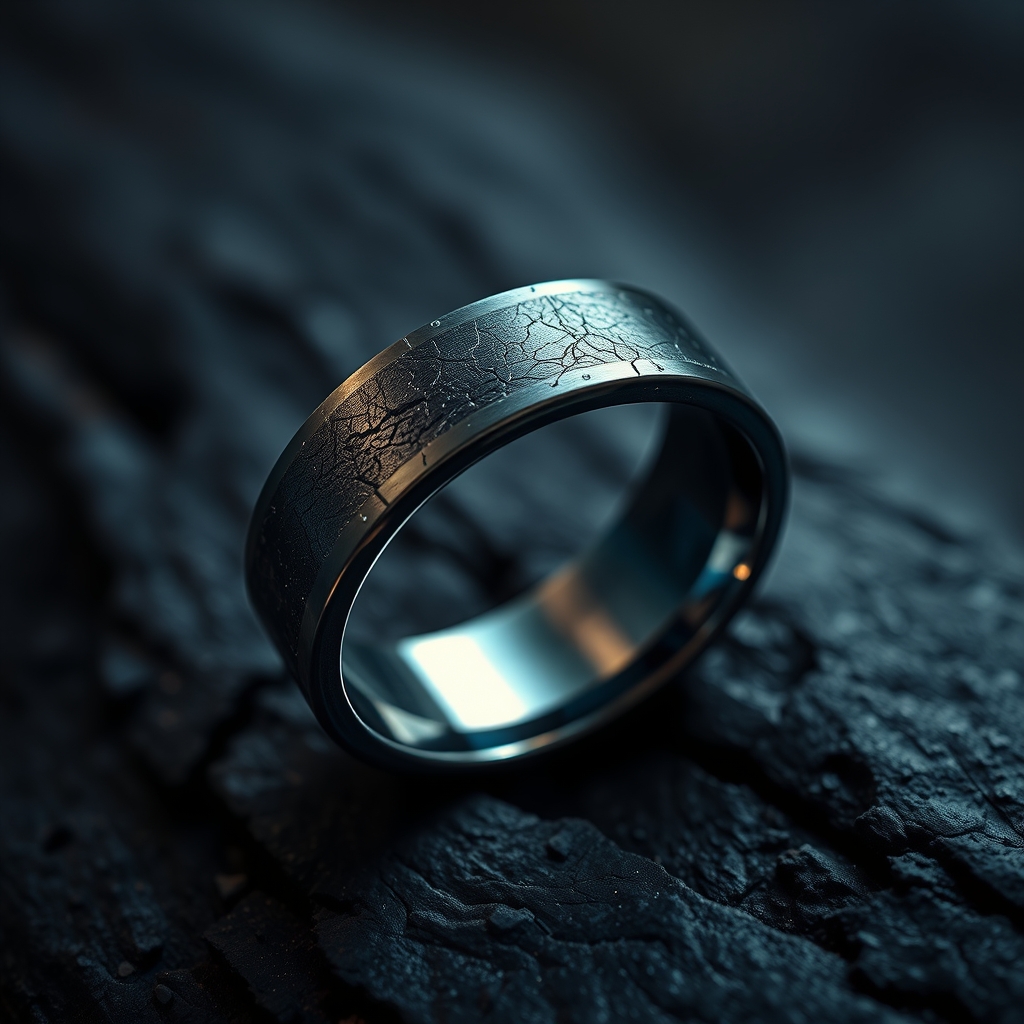
There’s something inherently magical about holding a piece of the cosmos in your hands. Not as a distant dream or a fleeting thought, but as a tangible, wearable work of art. Jewelry has always been a medium for storytelling—each piece a whisper of history, craftsmanship, and personal meaning. But when materials like Gibeon meteorite and aerospace-grade titanium enter the equation, the narrative transcends earthly boundaries, inviting the wearer into a realm where science, art, and emotion collide.
The Cosmic Origins of Gibeon Meteorite
Gibeon meteorite, named after the Namibian region where it was discovered in 1836, is a relic of the early solar system. Formed over four billion years ago, these fragments of space rock traveled millions of miles before crashing into Earth, carrying with them the secrets of the universe. What makes Gibeon meteorite particularly captivating is its Widmanstätten pattern—a mesmerizing, geometric lattice of nickel-iron crystals that can only form in the zero-gravity environment of space. When sliced, polished, and inlaid into jewelry, this pattern becomes a fingerprint of the cosmos, unique to each piece and impossible to replicate through terrestrial means.
For jewelers, working with Gibeon meteorite is both a privilege and a challenge. The material is rare, delicate, and requires meticulous handling to preserve its natural beauty. Yet, when paired with modern metals like titanium, the result is nothing short of extraordinary—a fusion of ancient cosmic history and cutting-edge innovation.
The Modern Marvel of Anodized Titanium
Titanium, often referred to as the metal of the future, has long been celebrated for its strength, lightweight properties, and hypoallergenic nature. But it’s the process of anodization that elevates it from a functional material to a canvas for artistic expression. Anodizing titanium involves an electrochemical process that alters the surface of the metal, creating a thin oxide layer that refracts light in vibrant, iridescent hues. The result? A spectrum of colors—from deep blues and purples to shimmering golds and greens—that shift and dance with every movement, much like the auroras of distant planets.
What makes anodized titanium particularly compelling in jewelry design is its versatility. Unlike traditional metals, which rely on gemstones or engravings for visual interest, anodized titanium offers a dynamic, ever-changing aesthetic. A ring or bracelet can appear one color in daylight and transform into something entirely different under artificial light, making it a living piece of art. When combined with Gibeon meteorite, the contrast between the meteorite’s dark, textured patterns and the titanium’s luminous finish creates a visual dialogue between the ancient and the avant-garde.
Crafting Jewelry with Cosmic Intent
The marriage of Gibeon meteorite and anodized titanium isn’t just about aesthetics—it’s about intention. For the wearer, these pieces become more than accessories; they are symbols of connection—to the universe, to time, and to the craftsmanship that brings them to life. A meteorite inlay ring, for instance, isn’t just a wedding band; it’s a promise etched in the stars, a reminder that love, like the cosmos, is both vast and enduring. Similarly, a titanium cuff bracelet with a meteorite inlay becomes a statement of individuality, a celebration of the wearer’s unique place in the grand tapestry of existence.
Designers who work with these materials often speak of the emotional weight they carry. There’s a sense of responsibility in shaping something that has journeyed across time and space, as well as a deep respect for the science and artistry required to do so. The process begins with selecting the right meteorite slice—one with a striking Widmanstätten pattern—and pairing it with titanium that has been anodized to complement its natural hues. The inlay itself is a delicate dance of precision, ensuring the meteorite is securely set while allowing its beauty to shine. The final piece is then finished with a brushed or polished texture, adding depth and tactile appeal.
The Practical Allure of Hypoallergenic and Lightweight Design
Beyond their visual and symbolic appeal, Gibeon meteorite and anodized titanium jewelry offer practical benefits that make them ideal for everyday wear. Titanium’s hypoallergenic properties ensure that even those with sensitive skin can enjoy these pieces without irritation, while its lightweight nature makes it comfortable for prolonged wear. Unlike traditional metals, which can feel heavy or cumbersome, titanium jewelry moves with the wearer, almost as if it’s an extension of the body itself.
The durability of these materials is another key advantage. Titanium is renowned for its resistance to corrosion and wear, making it a low-maintenance choice for those with active lifestyles. Meanwhile, Gibeon meteorite, when properly cared for, retains its luster and pattern for generations, ensuring that each piece remains a timeless heirloom. This combination of beauty, practicality, and longevity is what sets meteorite and titanium jewelry apart in the world of modern adornment.
The Future of Jewelry: Where Science Meets Soul
As we continue to explore the boundaries of design and material science, jewelry like Gibeon meteorite and anodized titanium rings, bracelets, and cuffs represent a new frontier. They are a testament to human ingenuity—the ability to take something as ancient as a meteorite and pair it with a metal born from modern innovation to create something entirely new. But more than that, they are a reminder of our place in the universe. To wear a piece of the cosmos is to carry a fragment of eternity with you, a tangible connection to the mysteries that lie beyond our planet.
In a world where mass-produced jewelry often lacks depth and meaning, these pieces stand as a celebration of rarity, craftsmanship, and the stories that make us who we are. They invite us to look beyond the ordinary and embrace the extraordinary—to see jewelry not just as an accessory, but as a bridge between the seen and the unseen, the known and the unknown. And perhaps, in doing so, we find a little more of ourselves reflected in the stars.