The Quiet Revolution: How Strategic Gemstone Selection and Seamless Customization Are Redefining Handcrafted Jewelry Investment
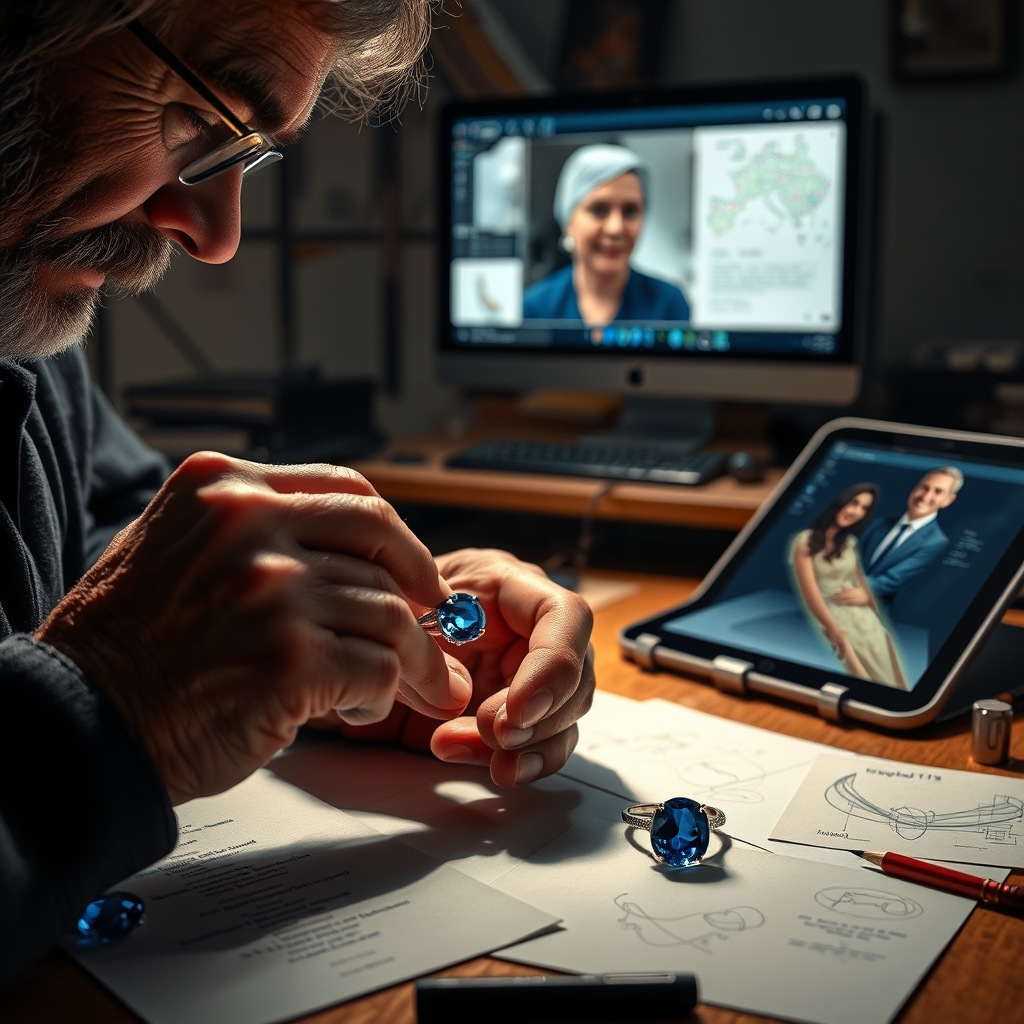
The world of fine jewelry has long been shrouded in mystery—where tradition meets exclusivity, and the allure of rarity often overshadows the journey behind each piece. Yet, a quiet revolution is unfolding, one that prioritizes intention over impulse, transparency over obscurity, and collaboration over transaction. At the heart of this shift lies a deeper understanding of what it means to invest in jewelry—not merely as adornment, but as a legacy, a story, and a reflection of personal values.
The Art of Strategic Gemstone Selection
Every gemstone carries a narrative, from the depths of the earth where it was unearthed to the hands that shaped it into brilliance. The modern luxury buyer, however, is no longer content with surface-level beauty. They seek stones with provenance, ethically sourced and traceable, where every facet tells a story of responsibility. This is where strategic gemstone selection becomes an art form in itself.
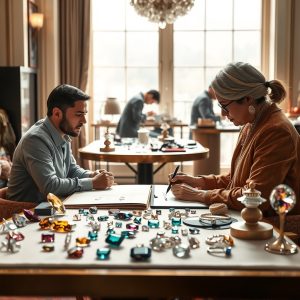
Gone are the days of passive purchasing, where buyers accepted whatever was presented to them. Today’s informed collectors engage in a dialogue with gemologists, asking not just about carat and clarity, but about origin, mining practices, and the communities impacted by their acquisition. A sapphire from Sri Lanka, for instance, may carry the same visual appeal as one from Madagascar, but the ethical footprint—and thus, the emotional resonance—can differ vastly. The choice becomes a statement, a deliberate step toward aligning personal aesthetics with global responsibility.
The Role of Technology in Ethical Sourcing
Advancements in blockchain and digital authentication have made it possible to trace a gemstone’s journey from mine to market with unprecedented precision. Platforms now exist that allow buyers to scan a QR code and instantly access a stone’s certification, mining conditions, and even the artisans who cut and polished it. This level of transparency doesn’t just build trust; it transforms the act of purchasing into an experience of connection. When a buyer knows their diamond was sourced from a conflict-free mine in Botswana, where local communities benefit from fair wages and education initiatives, the stone’s value transcends its monetary worth.
Seamless Customization: Where Vision Meets Craftsmanship
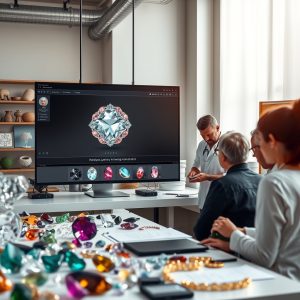
The desire for personalization has always been at the core of bespoke jewelry, but the process has evolved far beyond the traditional sketch-and-wait model. Interactive prototyping tools now allow clients to visualize their designs in real-time, adjusting everything from metal choices to gemstone settings with a few clicks. This seamless customization bridges the gap between imagination and reality, empowering buyers to co-create pieces that are as unique as their own stories.
Virtual consultations have further democratized this process, breaking down geographical barriers and making expert guidance accessible to anyone with an internet connection. A client in Tokyo can collaborate with a master jeweler in Florence, refining their design through high-resolution 3D renderings and video calls. The result is a piece that feels intimately theirs, not just in appearance, but in the very process of its creation. This level of engagement turns a luxury purchase into a deeply personal journey, one where the final piece is a tangible manifestation of the buyer’s vision and values.
The Investment in Handcrafted Legacy
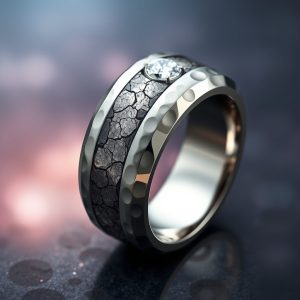
In an era of fast fashion and disposable trends, handcrafted jewelry stands as a testament to timelessness. But its value is no longer measured solely by the price tag or the brand name. Instead, it’s the craftsmanship, the ethical sourcing, and the story behind each piece that elevate it to the status of a modern heirloom. When a buyer invests in a bespoke ring or necklace, they’re not just acquiring an object; they’re preserving a narrative, one that can be passed down through generations.
This shift toward value-driven jewelry collection is redefining what it means to own luxury. It’s no longer about conspicuous consumption, but about mindful acquisition—choosing pieces that resonate on a deeper level, whether through their ethical origins, their artisanal craftsmanship, or their emotional significance. The modern heirloom is not just a symbol of wealth, but a reflection of the buyer’s identity, values, and aspirations.
The Power of Direct Collaboration
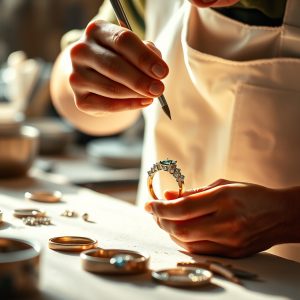
Perhaps the most transformative aspect of this revolution is the direct collaboration between buyer and artisan. In the past, the relationship between client and jeweler was often mediated by salespeople or designers, creating a disconnect between vision and execution. Today, platforms and boutiques are fostering direct partnerships, where buyers can engage with the artisans themselves, learning about their techniques, inspirations, and even the challenges they face in bringing a design to life.
This intimacy fosters a sense of ownership and pride in the final piece. When a buyer understands the hours of labor, the precision of hand-setting each gemstone, or the artistry behind a custom engraving, the jewelry becomes more than an accessory—it becomes a piece of wearable art, imbued with meaning and intention. This level of collaboration also ensures that the final product is a true reflection of the buyer’s desires, rather than a compromise dictated by mass-market trends.
The future of fine jewelry lies in this intersection of ethics, technology, and personalization. It’s a future where every purchase is an act of intentionality, where transparency and craftsmanship are as valued as the stones themselves, and where the journey from vision to heirloom is as meaningful as the piece that emerges. In this quiet revolution, jewelry is no longer just about what you wear, but about the stories you choose to tell—and the legacy you leave behind.