The Whisper of Craftsmanship: How Virtual Consultations and Provenance-Based Purchasing Are Redefining Tailored Fine Jewelry Experiences
In an era where mass-produced luxury often overshadows the intimate stories behind each piece, a quiet revolution is unfolding—one that places the wearer at the heart of the creative process. The allure of bespoke jewelry lies not just in its exclusivity, but in the narrative it carries, a narrative shaped by ethical choices, artistic collaboration, and the seamless fusion of tradition with innovation. Today’s discerning collectors are no longer satisfied with merely owning a beautiful object; they seek a connection to its origins, its craftsmanship, and the hands that brought it to life.
The Digital Bridge to Artisan Intimacy
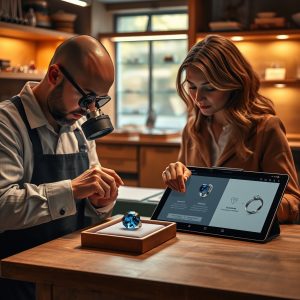
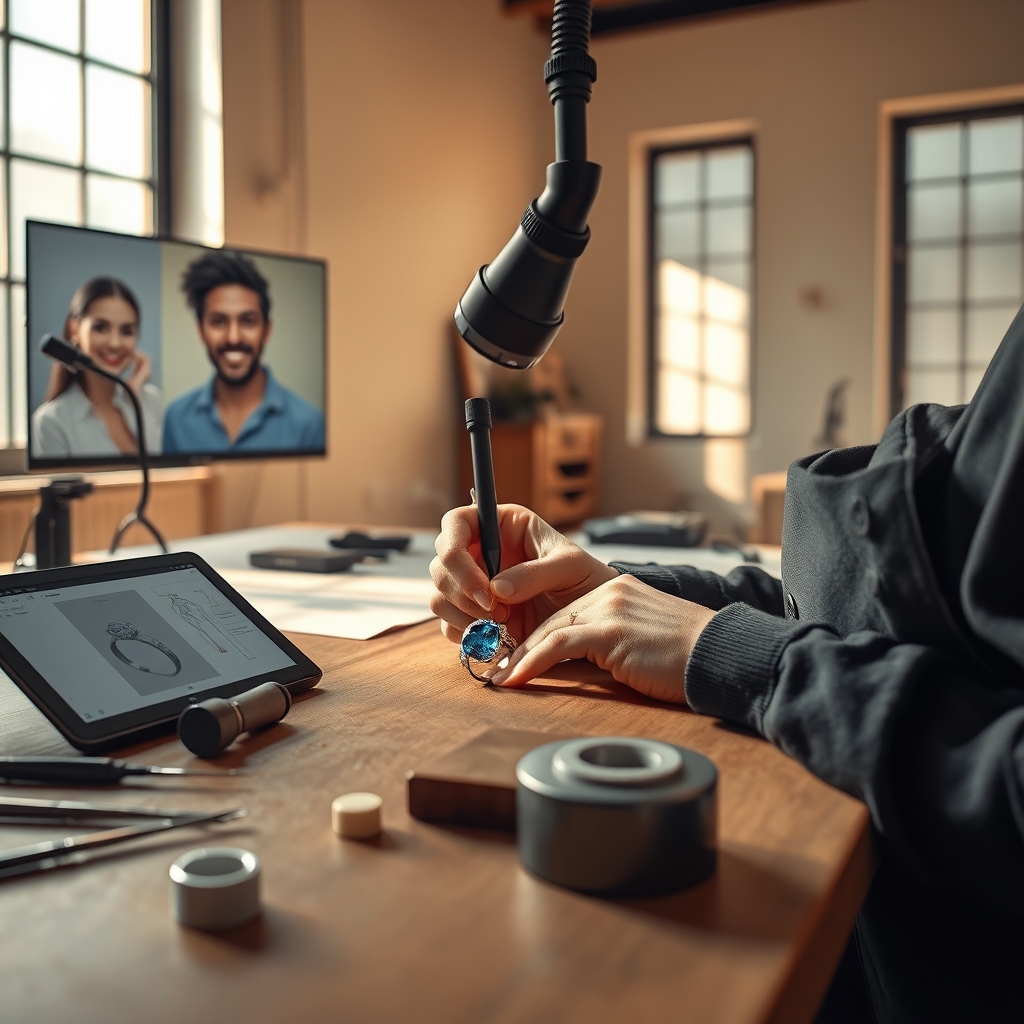
The journey begins not in a bustling atelier, but often in the comfort of one’s own space, where virtual consultations have dismantled the barriers of geography. Through high-definition video calls, screen-sharing tools, and interactive design platforms, clients are now able to engage in real-time conversations with master jewelers, gemologists, and designers. This digital dialogue transcends mere convenience; it fosters a deeper understanding of the materials, techniques, and creative possibilities at play. A client in New York can now witness the delicate artistry of a goldsmith in Florence, or explore the nuances of a rare sapphire’s cut with a gemologist in Jaipur, all without leaving their home.
These virtual interactions are not just about convenience—they are about democratizing access to expertise. No longer reserved for the elite few who could afford to travel to renowned jewelry districts, this level of engagement is now available to anyone with a vision and a willingness to explore. The result is a more informed, more confident buyer, one who approaches the process with a keen eye for detail and a deep appreciation for the craft.
The Weight of Provenance: More Than Just a Story
Yet, the true magic of bespoke jewelry lies in its provenance—the unbroken chain of custody that traces a gemstone or metal from its origin to the final piece. In a world where ethical concerns often overshadow beauty, provenance-based purchasing has become a cornerstone of modern luxury. Clients today demand transparency, not just in the sourcing of materials, but in the ethical practices of the mines, the fair treatment of workers, and the environmental impact of extraction.
This shift has given rise to a new standard in jewelry procurement, one where every gemstone comes with a documented history. Whether it’s a conflict-free diamond from Botswana, a traceable emerald from Colombia, or recycled gold from certified refineries, the story behind the material is as important as the material itself. For the wearer, this provenance transforms a piece of jewelry from a mere accessory into a symbol of values—sustainability, fairness, and conscious consumption. It’s no longer enough for a gem to sparkle; it must also carry the weight of integrity.
The Art of Strategic Gemstone Selection
Provenance is just one piece of the puzzle. The strategic selection of gemstones plays an equally critical role in crafting a piece that is not only beautiful but also meaningful. Unlike mass-produced jewelry, where stones are chosen for their uniformity, bespoke design thrives on the unique characteristics of each gem. A skilled gemologist doesn’t just look for the largest or most flawless stone; they seek the one that tells a story, whether through its color, its inclusions, or its origin.
For instance, a sapphire with a velvety cornflower blue might evoke the skies of Kashmir, while a diamond with a rare pink hue could carry the romance of its Australian roots. The selection process becomes a collaboration between the client and the expert, where personal taste, budget, and ethical considerations intersect. This strategic approach ensures that the final piece is not just a reflection of the wearer’s style, but also of their values and aspirations.
Interactive Prototyping: Where Vision Meets Reality
One of the most exhilarating moments in the bespoke journey is seeing a design evolve from a sketch to a tangible prototype. Thanks to advancements in 3D modeling and printing, clients can now hold a physical representation of their future jewelry piece in their hands before it is even crafted. This interactive prototyping process allows for real-time adjustments—whether it’s refining the shape of a setting, adjusting the size of a gemstone, or experimenting with different metals.
The ability to visualize and tweak a design in this way eliminates the guesswork that once plagued custom jewelry creation. It also deepens the emotional connection between the wearer and the piece, as they become active participants in its evolution. No longer a passive observer, the client becomes a co-creator, shaping every curve, every facet, and every detail until it aligns perfectly with their vision.
The Legacy of Handcrafted Investment
Bespoke jewelry is more than a purchase; it is an investment in artistry, ethics, and personal legacy. Unlike mass-produced pieces that depreciate over time, handcrafted jewelry often appreciates in value, both financially and sentimentally. The meticulous craftsmanship, the rare materials, and the story behind each piece make it a timeless heirloom, one that can be passed down through generations. This is the essence of modern heirloom acquisition—not just owning something beautiful, but preserving a piece of history, a fragment of the wearer’s journey, and a testament to the hands that crafted it.
In a world where fast fashion and disposable luxury dominate, bespoke jewelry stands as a rebellion—a celebration of slow, intentional creation. It is a reminder that true luxury is not about excess, but about meaning. Every bespoke piece carries within it the whispers of its creation: the careful selection of a gemstone, the precision of a goldsmith’s hand, the collaborative dialogue between artist and client. These are the elements that transform a simple accessory into a legacy, a story, and a work of art. And in that transformation, the wearer finds not just a piece of jewelry, but a piece of themselves.